Walder Frey
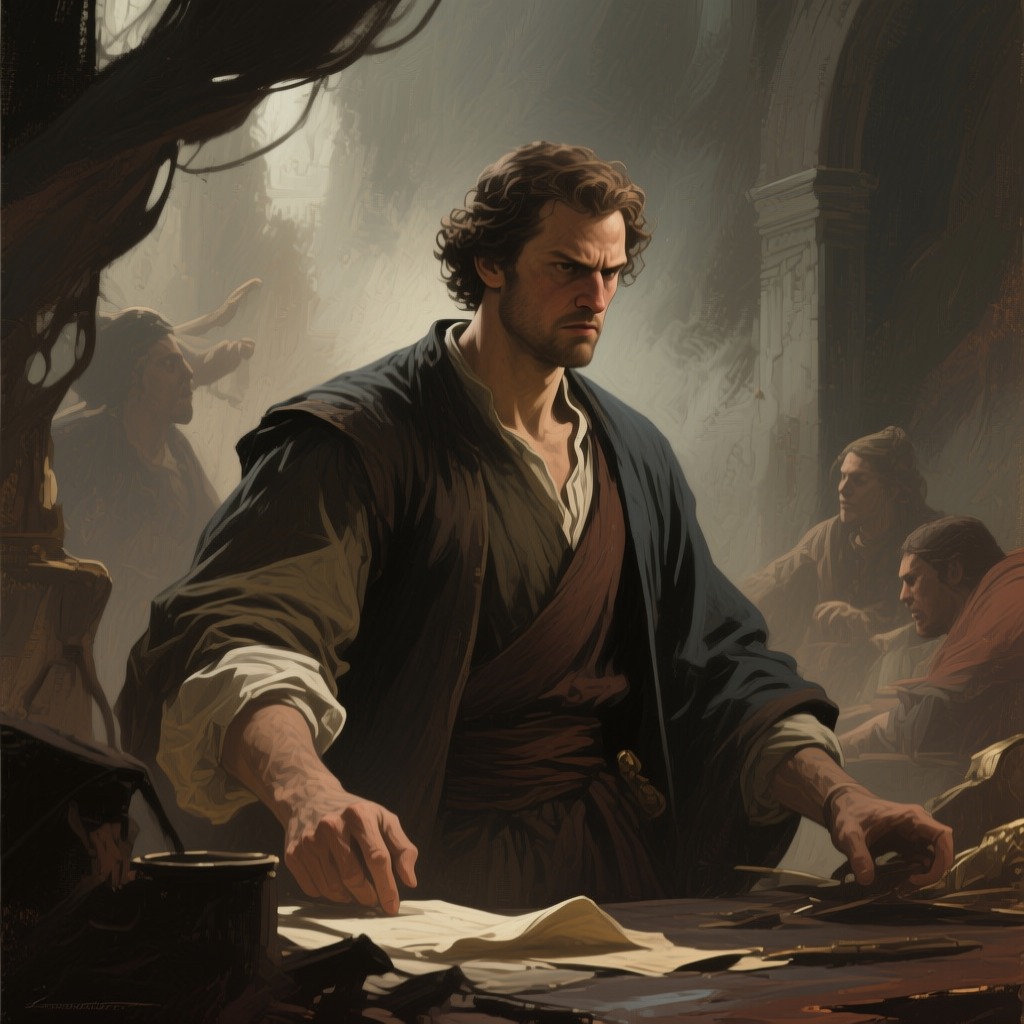
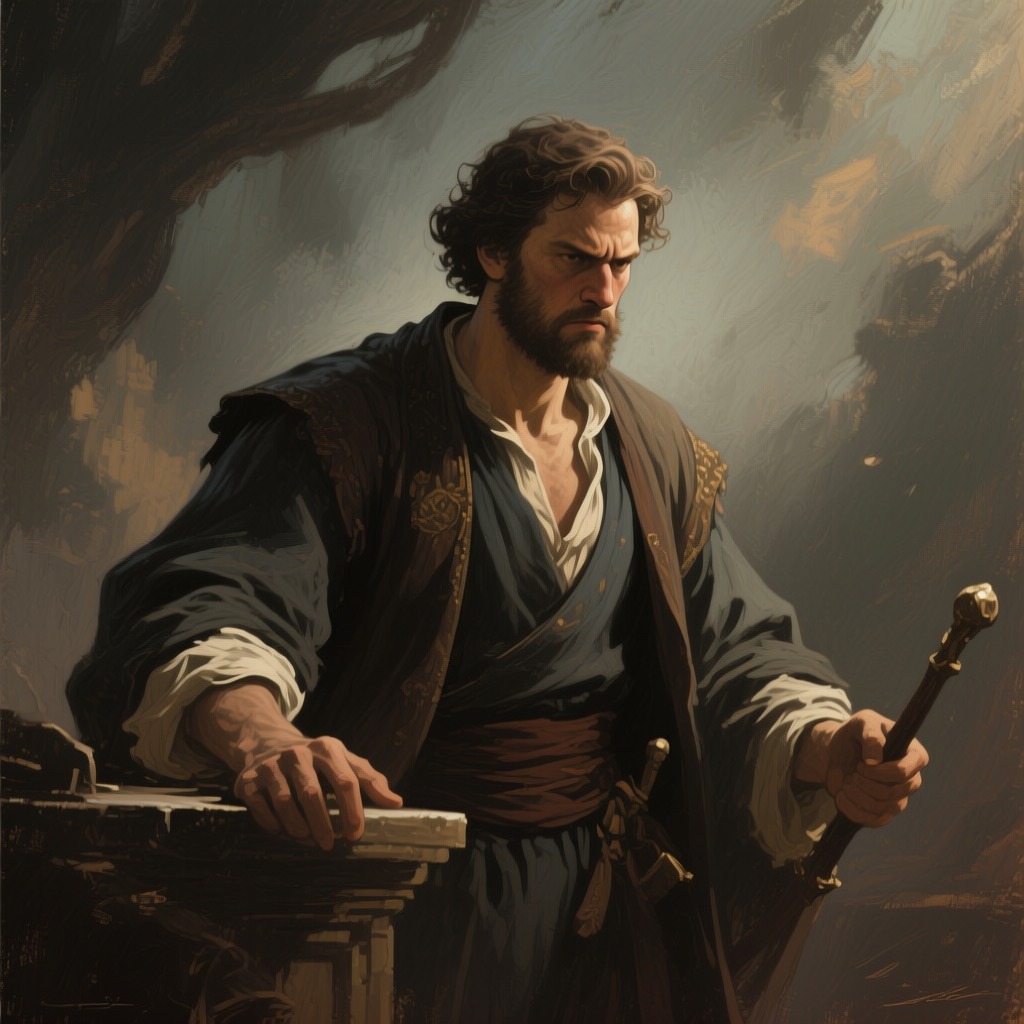
Walder Frey, Lord of the Crossing, is the ancient, gout-ridden master of the Twins, the only fortified bridge over the Green Fork of the Trident. At ninety years old, he has outlived seven wives and fathered a sprawling brood of sons, daughters, grandsons, great-grandsons, bastards, and grandbastards—so many that he boasts he could field an army from his own breeches. His longevity and his strategic position have made him a figure of immense practical power, but his reputation for caution, pettiness, and broken oaths has earned him the mocking epithet "the Late Lord Frey," a name that rankles him deeply.
Character and Grievances
Walder Frey is a querulous, sharp-tongued old man who nurses a lifetime of perceived slights from the great houses. He bitterly recalls that Lord Hoster Tully refused a match between his son Edmure and one of Frey's daughters, and that Jon Arryn, at Lysa's urging, declined to foster two of his grandsons at court. He feels the Tullys and Starks have always "pissed on" him, and he resents being treated as a lesser lord despite his wealth and strategic importance. His conversation with Catelyn Stark at the Twins is a torrent of complaint: he mocks Lord Tywin Lannister's pride, boasts of his own fecundity, and insists that his newest wife, a girl of sixteen, will give him another son. His manner is deliberately insulting, but beneath the bluster lies a sharp, calculating mind that has kept him alive and in power for decades.
The Crossing and the Pact
When Robb Stark's northern host arrives at the Twins, desperate to cross the river and relieve the siege of Riverrun, Walder Frey holds all the cards. He has assembled nearly four thousand men behind his formidable walls, and he knows that the young Stark commander cannot afford a siege. Catelyn Stark, who has known him since childhood, negotiates the crossing in a tense private audience. Lord Frey drives a hard bargain: he demands that Robb marry one of his daughters (the choice to be made after the fighting), that his son Olyvar serve as Robb's personal squire, that two of his grandsons be fostered at Winterfell, and that Arya Stark be betrothed to his youngest son, Elmar. Catelyn accepts all terms, and the northern army crosses the Green Fork. The pact is a classic Frey maneuver—extracting maximum advantage from a moment of necessity while keeping his options open.
Role in the War
Walder Frey's decision to join Robb Stark is not born of loyalty but of self-interest. He notes that Lord Tywin Lannister has never asked for his help, and he resents the Lannisters' pride as much as the Starks'. Yet he is careful not to commit fully: he keeps four hundred men back to hold the Twins, and his forces fight under their own commanders. After the Battle of the Whispering Wood, when the war's outcome is still uncertain, Frey's allegiance remains a question mark. His son Ser Stevron counsels caution and a possible truce with Lord Tywin, a suggestion that is shouted down by the northern lords. Walder Frey's defining trait is his refusal to commit until the victor is clear, a strategy that has kept him alive but has also made him universally distrusted.
Thematic Significance
Walder Frey embodies the cynical, transactional politics of the riverlands, where oaths are kept only as long as they are profitable. His name is synonymous with betrayal and opportunism, and his late arrival at the Trident during Robert's Rebellion—after the battle was decided—earned him the contempt of Lord Hoster Tully. Yet his longevity and his fortress-bridge have made him indispensable to every army that needs to cross the Green Fork. He is a living reminder that in the game of thrones, power often resides not with the noble or the brave, but with the patient, the cunning, and the ruthless. His bargains with the Starks set the stage for the most infamous betrayal in the war, a deed that will forever stain the name of House Frey.